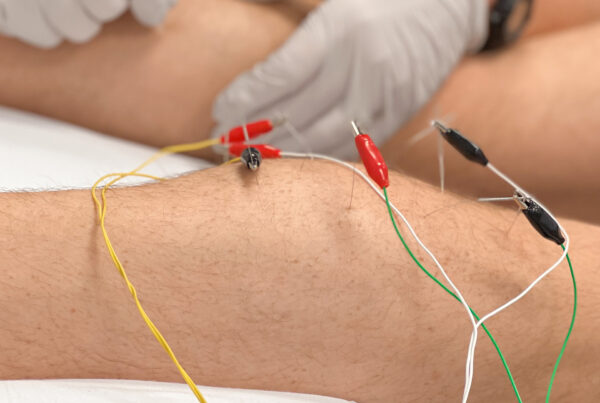
Neuromuscular re-education is a specialized therapeutic technique used by physical therapists to restore normal body movement patterns by retraining the communication between your brain, nerves, and muscles. When the body experiences injury, surgery, or neurological conditions, it often disrupts this intricate system of communication. The result can be poor coordination, loss of balance, impaired posture, or difficulty with simple movements that used to feel automatic. That’s where neuromuscular re-education comes in.
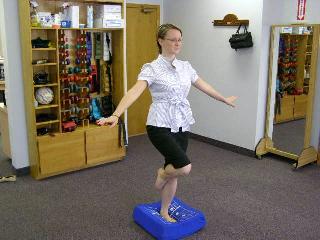 At its core, neuromuscular re-education focuses on retraining your body to move correctly, safely, and efficiently again. It involves targeted exercises and techniques designed to improve key components of movement, such as balance, coordination, posture, kinesthetic awareness (your sense of body movement), and proprioception (your body’s ability to sense where it is in space). These are all essential for performing everyday activities—from walking and reaching, to standing on one leg or navigating stairs.
Through carefully guided sessions, a physical therapist helps patients isolate and strengthen the neural pathways that control movement. This may include using balance boards, stability exercises, mirror feedback, manual cues, and even tools like resistance bands or therapy balls. The goal is not just to regain strength, but to restore the brain-muscle connection so that movements become natural and pain-free once again.
Neuromuscular re-education is commonly used for individuals recovering from:
- Stroke or neurological injury
- Orthopedic surgeries (such as joint replacements)
- Sports injuries that have affected coordination or balance
- Chronic conditions such as Parkinson’s disease or multiple sclerosis
- Falls, or a fear of falling due to balance issues
It’s not just about moving again—it’s about moving better. Whether you’re rebuilding after an injury or managing a chronic condition, neuromuscular re-education helps improve your quality of life by enhancing your body’s control, responsiveness, and stability.
If you’ve noticed changes in how you walk, stand, or balance—or if you feel “off” or unsteady in your movements—neuromuscular re-education could be a vital part of your recovery. Reach out to our team at Caldwell Physical Therapy to learn how this therapy can support your healing journey and help you move with confidence again.