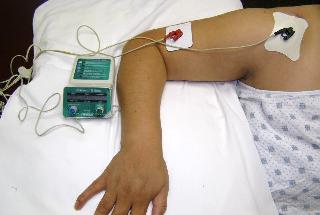
Dry needling is an evidence-based treatment technique used by physical therapists to relieve muscle pain, tension, and movement impairments. It involves the insertion of a thin, sterile needle (without medication) directly into trigger points—tight bands within a muscle that can cause localized or referred pain. By targeting these points, dry needling helps release muscle knots, reduce pain, and restore proper movement patterns.
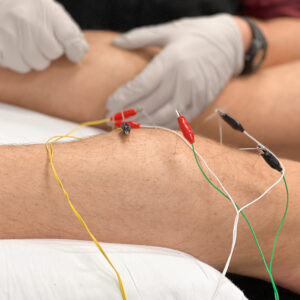 This technique is not acupuncture, which is rooted in traditional Chinese medicine. Dry needling is based on modern Western medicine principles and is often used alongside other physical therapy methods like manual therapy, stretching, and therapeutic exercise. It’s commonly used to treat conditions such as back and neck pain, tension headaches, migraines, fibromyalgia, tendinitis, TMJ dysfunction, and myofascial pain syndrome.
The benefits of dry needling can include:
-
Pain relief by releasing muscle tension and calming overactive nerves
-
Improved range of motion through the relaxation of tight muscles
-
Decreased inflammation by increasing blood flow and reducing chemical irritation
-
Faster return to activity by accelerating the healing process
Each treatment is personalized. Some patients experience relief after a single session, while others may require multiple treatments. Mild soreness after needling is common but typically resolves within a day or two. Your physical therapist will determine if dry needling is appropriate for your specific condition and incorporate it into a well-rounded rehabilitation plan to help you feel and move better, faster.